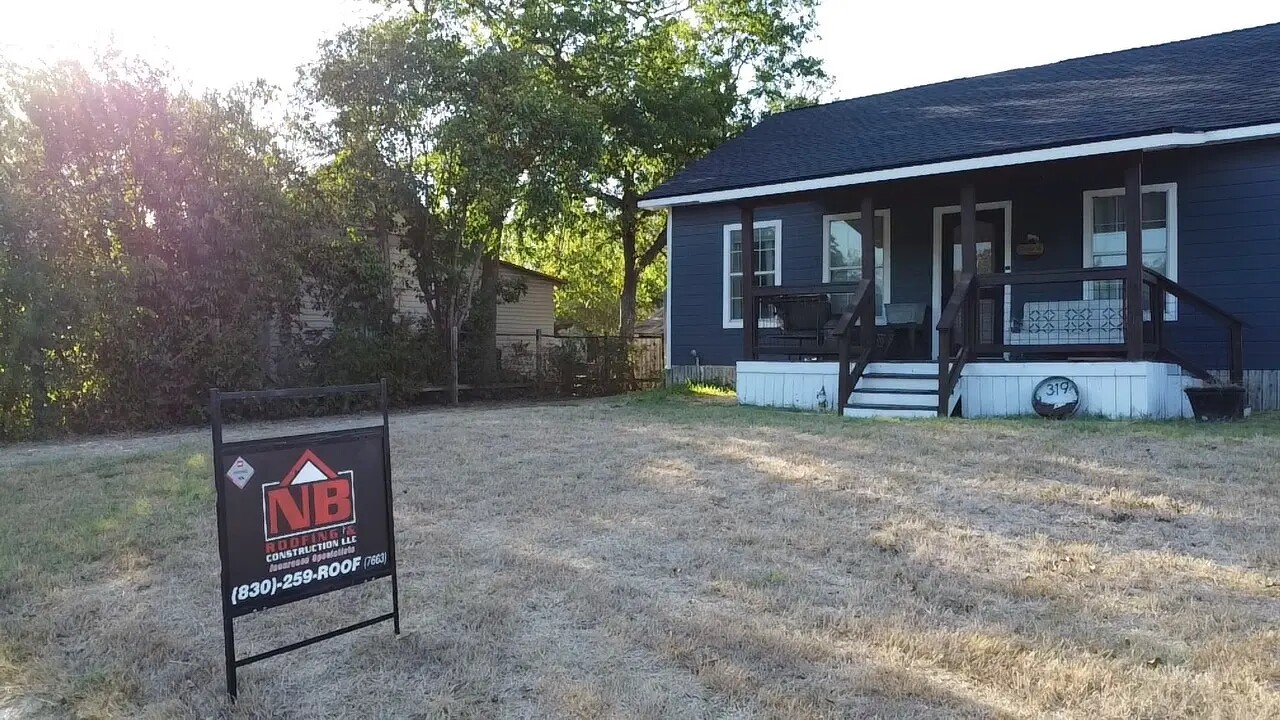
Asphalt shingles are a familiar roofing option for many homes, but choosing a shingle roof involves more than choosing a color. The existing roof condition, the shape of the home, the surfaces below the shingles, and the way water moves at edges and valleys all affect the project.
NB Roofing & Construction LLC offers asphalt shingle roofing as part of its residential roofing work in and around La Vernia, Texas. A free roof inspection lets you discuss concerns about your current roof and review the decisions that matter before considering repair or replacement.
Asphalt shingles are installed as part of a roofing system that also includes underlying surfaces, water-shedding details, and components around vents, walls, and roof edges. The visible shingles are only one part of the roof. Before deciding on a project, it is useful to discuss what is already there, how it is performing, and whether a specific area needs attention.
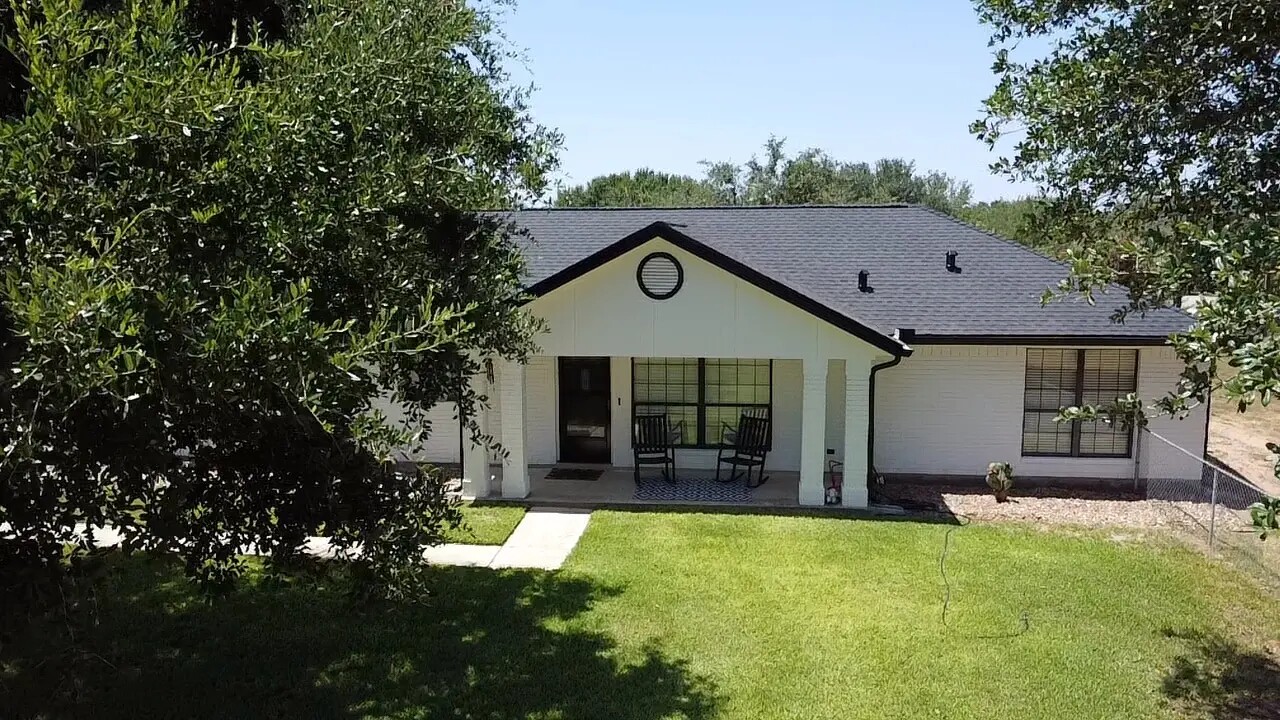
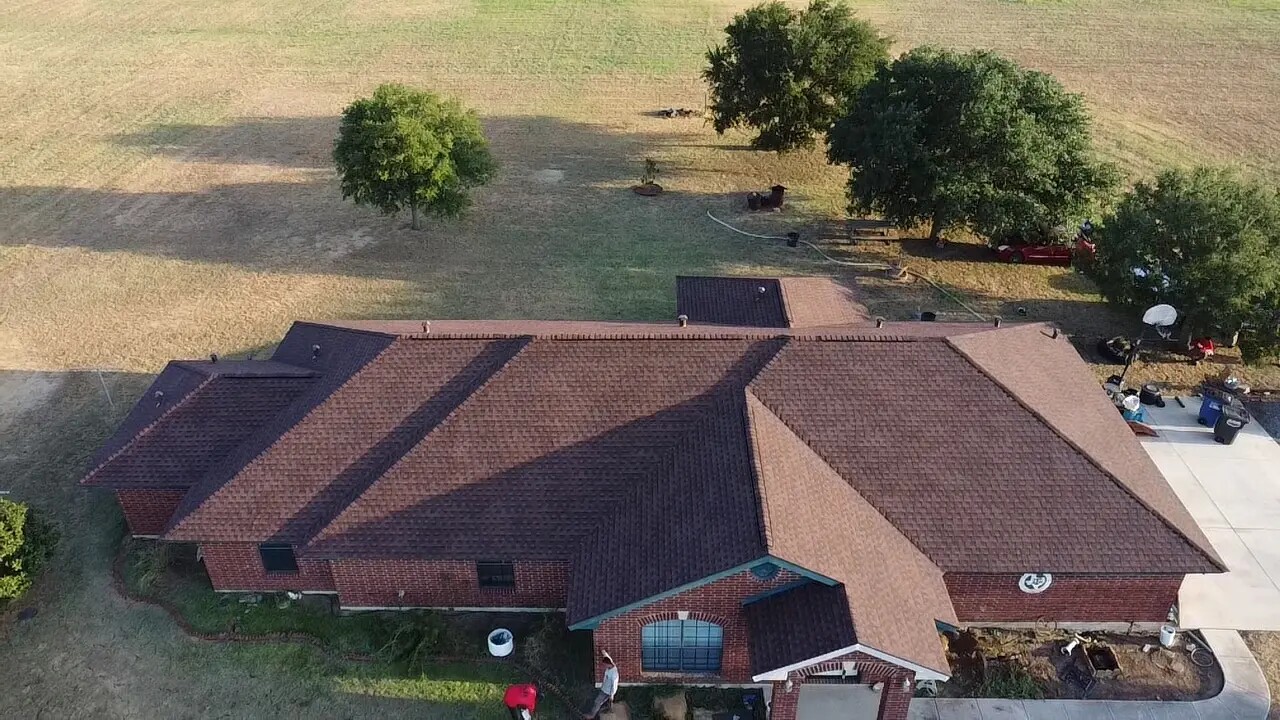
Homes with intersecting rooflines, valleys, or several penetrations need careful attention to transitions. Drainage paths should be considered alongside shingle layout and roof-edge details. A roof inspection can help distinguish a visible shingle concern from a broader condition that may require a different scope of work.
Shingle roofing offers a range of appearances for residential rooflines. It can be discussed alongside metal roofing when a homeowner is comparing material options. The most useful comparison considers the building itself, the expected look, roof pitch, ongoing maintenance, and the condition of existing materials rather than assuming one choice fits every home.
These considerations are a starting point, not a substitute for looking at the actual roof. A roof that seems to have only a surface issue may also have conditions below the visible layer.
Missing or displaced shingles, exposed areas, staining, or changes after a storm are reasons to have a roof examined. Water marks inside a building can be related to the roof, but their source should not be assumed without further review. Photos of what you have noticed can help explain the concern when you request an inspection.
Not every shingle issue calls for a full roof replacement. The affected area, age and condition of surrounding material, and any signs of moisture or damage underneath influence the options worth discussing. We can explain what is visible during an inspection and what additional work, if any, may be needed to understand the problem.
This sequence keeps the discussion centered on what the roof needs. If conditions change as work is evaluated, the scope should be discussed clearly rather than assumed in advance.
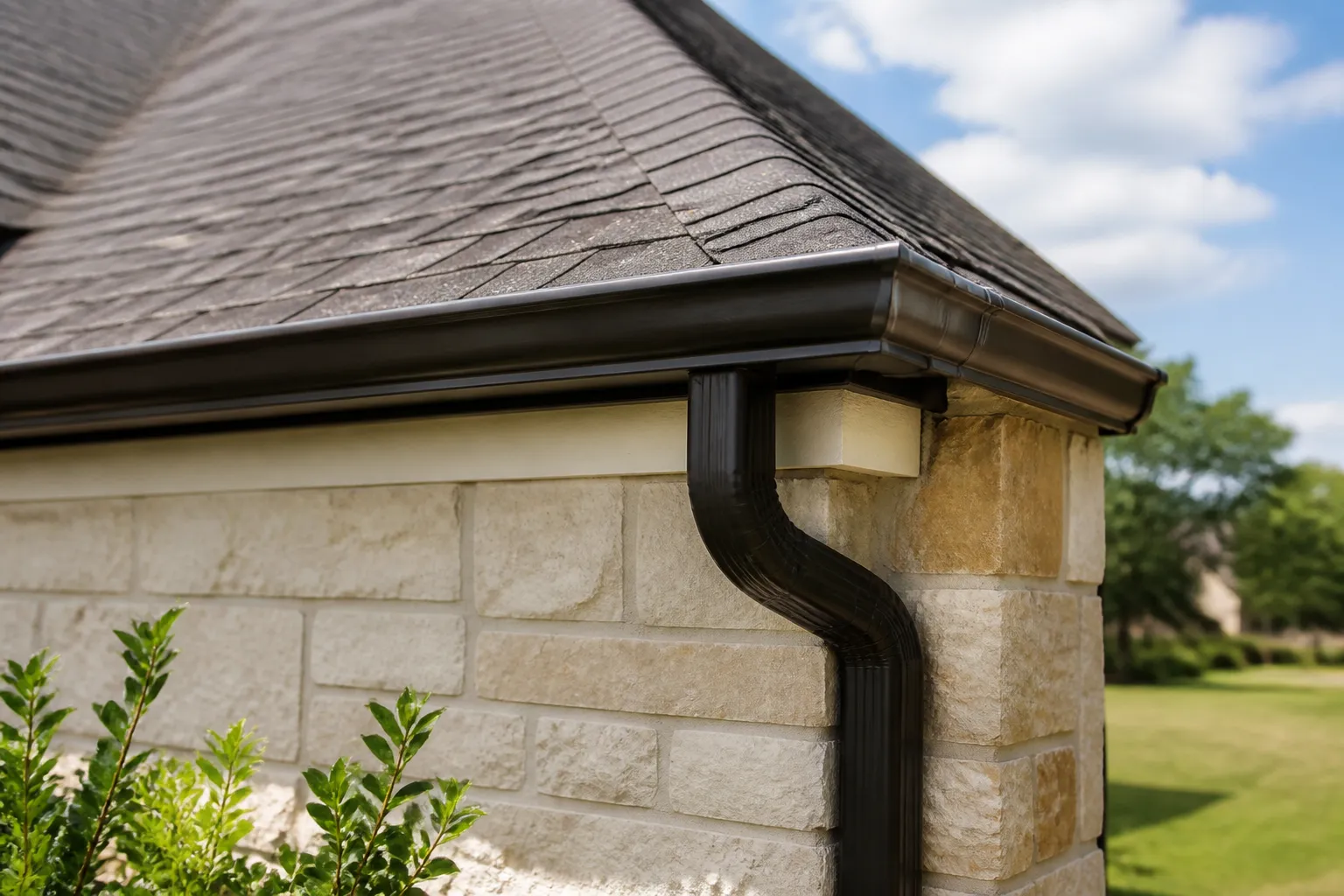
Rainwater leaving a shingle roof still needs a clear path away from the building. Roof edges and gutters deserve attention when discussing new shingles or a repair near the eaves. If gutters are loose, poorly aligned, or missing in a relevant area, ask whether that issue should be considered alongside the roof.
For a wider view of home roofing options, visit Residential Roofing. If you are comparing materials, see Metal Roofing. Learn about water-management options on our Gutter Installation page.
Sometimes a localized repair may be worth considering, but the answer depends on the surrounding roof condition and what caused the shingle to move or fail. An inspection helps define the affected area before a larger scope is assumed.
Shingles, edges, valleys, penetrations, drainage routes, and accessible signs of underlying trouble are all useful areas to review. What can be assessed depends on the roof and site conditions.
Yes. Gutters and roof-edge details affect where rainwater goes after it leaves the shingles. Mention overflow or damaged sections so those observations are part of the discussion.
If you are considering asphalt shingle roofing or have a concern about your current roof, request a Free Roof Inspection or call (830) 259-7663. Describe what you have noticed and the questions you would like to discuss.
Free Roofing Inspection
Request a free inspection and tell us about your roofing or gutter project. Our team will be in touch to discuss your needs and next steps.